

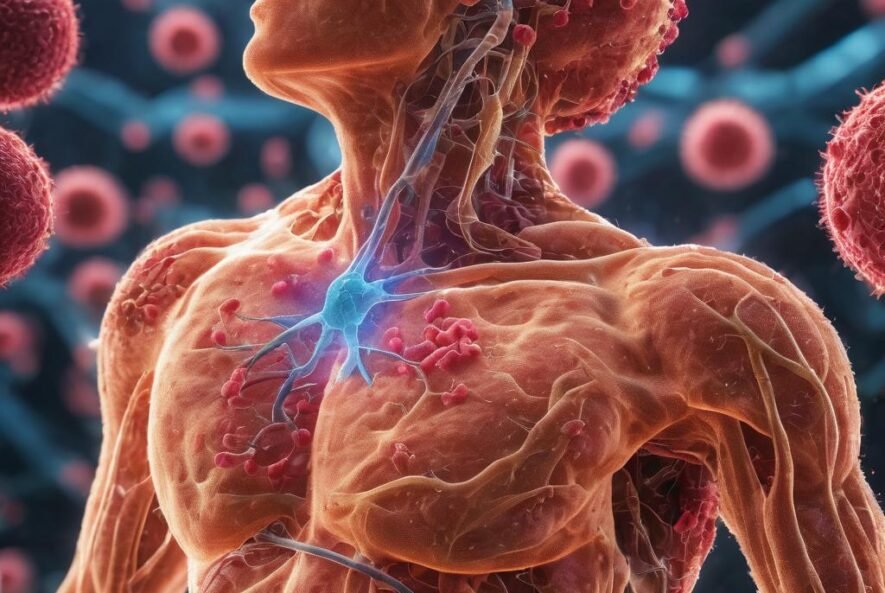
Immunology, the study of the immune system, is a cornerstone of health and disease. The immune system’s intricate network of cells, proteins, and organs defends the body against infections and maintains overall well-being. Join us as we unveil the complexities of immunology, exploring its pivotal role in health and the impact on diagnostics and personalized medicine.
The Immune System’s Defense Mechanisms: Immunology encompasses the body’s defense mechanisms against pathogens. From white blood cells to antibodies, understanding the immune system’s components provides insights into how it identifies and eliminates threats.
Autoimmune Diseases and Immunological Dysregulation: Immunology plays a crucial role in understanding autoimmune diseases, where the immune system mistakenly attacks the body’s own tissues. Insights into immunological dysregulation inform the diagnosis and management of conditions like rheumatoid arthritis and lupus.
Allergy Immunology: In allergy immunology, the immune system’s response to harmless substances is examined. From skin prick tests to IgE blood tests, understanding allergic reactions informs personalized approaches to managing allergies and improving quality of life.
Immunodeficiency Disorders: Immunology is instrumental in diagnosing immunodeficiency disorders, where the immune system is compromised. Comprehensive immunological assessments identify deficiencies, guiding the management of primary and secondary immunodeficiencies.
Transplant Immunology: In the field of transplant medicine, immunology is paramount. Pre-transplant assessments evaluate compatibility between donors and recipients, while post-transplant monitoring ensures the immune system’s acceptance of the transplant and minimizes rejection risks.
Vaccine Immunology and Effectiveness: Immunology contributes to the development and evaluation of vaccines. Assessing vaccine effectiveness involves studying the immune response, ensuring robust protection against infectious diseases.
Cutting-Edge Technologies in Immunology: Advanced technologies, including flow cytometry and molecular techniques, enhance the precision and efficiency of immunological assessments. These tools allow for in-depth analyses of immune cells, antibodies, and cytokines.
Inflammatory Markers and Immunology: Immunology intersects with inflammation, a key component of many diseases. Identifying inflammatory markers informs diagnoses and guides treatment strategies for conditions such as inflammatory bowel disease and rheumatic disorders.
Immunology and Cancer: The relationship between immunology and cancer is a dynamic area of research. Immunotherapies harness the immune system to target cancer cells, showcasing the potential for groundbreaking treatments in oncology.
Patient-Centric Immunology: Immunology emphasizes a patient-centric approach. Tailoring immunological assessments to individual patient needs ensures accurate diagnoses, effective treatments, and improved outcomes.
In conclusion, understanding immunology unveils the intricate workings of the immune system and its profound impact on health. As we navigate the realms of immunity, stay tuned for more enlightening explorations into diagnostics at Triesta Science.