


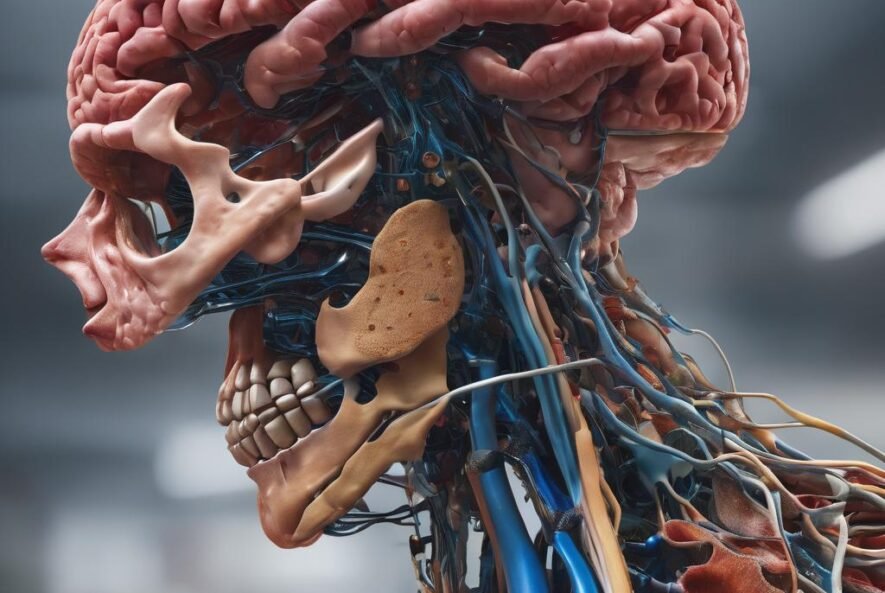
Neuropathology, the study of diseases affecting the nervous system, plays a crucial role in unraveling the complexities of neurological disorders. From understanding the pathology of brain diseases to guiding treatment decisions, neuropathology is at the forefront of neuroscience. Join us as we navigate through insights from neuropathology and explore its impact on diagnosing and managing neurological conditions.
Understanding Neuropathology: Neuropathology involves the examination of tissues from the nervous system, including the brain and spinal cord. It aims to identify abnormalities at the cellular and molecular levels, providing critical information for understanding the pathology of neurological disorders.
Brain Tumor Profiling: One of the significant applications of neuropathology is in the profiling of brain tumors. By analyzing the characteristics of tumors at a molecular level, neuropathologists contribute to accurate classification, prognosis, and the development of targeted therapies.
Neurodegenerative Disorders: Neuropathology is instrumental in studying neurodegenerative disorders such as Alzheimer’s, Parkinson’s, and Huntington’s diseases. By identifying specific protein aggregates and pathological changes, neuropathologists aid in confirming diagnoses and understanding disease progression.
Peripheral Nervous System Disorders: Beyond the central nervous system, neuropathology also encompasses disorders affecting the peripheral nerves. From neuropathies to autoimmune conditions, this branch of pathology assists in identifying the underlying causes of diverse neurological symptoms.
Infectious Diseases and the Nervous System: Neuropathologists contribute to the diagnosis of infectious diseases that affect the nervous system. From viral encephalitis to bacterial meningitis, their expertise is vital in understanding the impact of infections on neural tissues.
Advancements in Molecular Neuropathology: Recent advancements in molecular neuropathology have enhanced diagnostic precision. Techniques such as immunohistochemistry and molecular testing allow for a more detailed and accurate analysis of tissues, guiding personalized treatment approaches.
Neuropathology and Precision Medicine: The insights gained from neuropathology contribute to the era of precision medicine in neurology. By understanding the unique characteristics of each patient’s neurological condition, healthcare providers can tailor interventions for optimal outcomes.
Forensic Neuropathology: Neuropathology also plays a role in forensic medicine, particularly in cases involving traumatic brain injuries or suspicious deaths. Through meticulous examination, neuropathologists contribute to the determination of the cause and manner of death.
Educational Initiatives in Neuropathology: Neuropathologists actively engage in educational initiatives, sharing their expertise with healthcare professionals and researchers. This collaborative approach ensures a continuous exchange of knowledge and advancements in the field.
In Conclusion: Navigating neurological disorders with insights from neuropathology is essential for accurate diagnoses, effective treatment strategies, and ongoing advancements in neuroscience. As we delve deeper into the complexities of the nervous system, stay tuned for more explorations into diagnostics at Triesta Science.